Trail Performance
E-MTB
Electric mountain bikes tuned for the climb and the descent — full suspension, grippy tires and mid-drive torque for real singletrack. Every e-MTB here is one we ride on the trail.
The fifteen best electric mountain bikes, ranked — the one category where the legacy bike brands still own the podium.
Quick Picks
Which e-MTB suits you
Seven electric mountain bikes, from a $1,995 hardtail to a $5,999 carbon full-suspension. Travel and motor type matter more than battery size on a trail bike.
- Cheapest way onto the trailRide1Up TrailRush, $1,995Trail hardtail with 120 mm travel, 90 Nm and 28 mph.
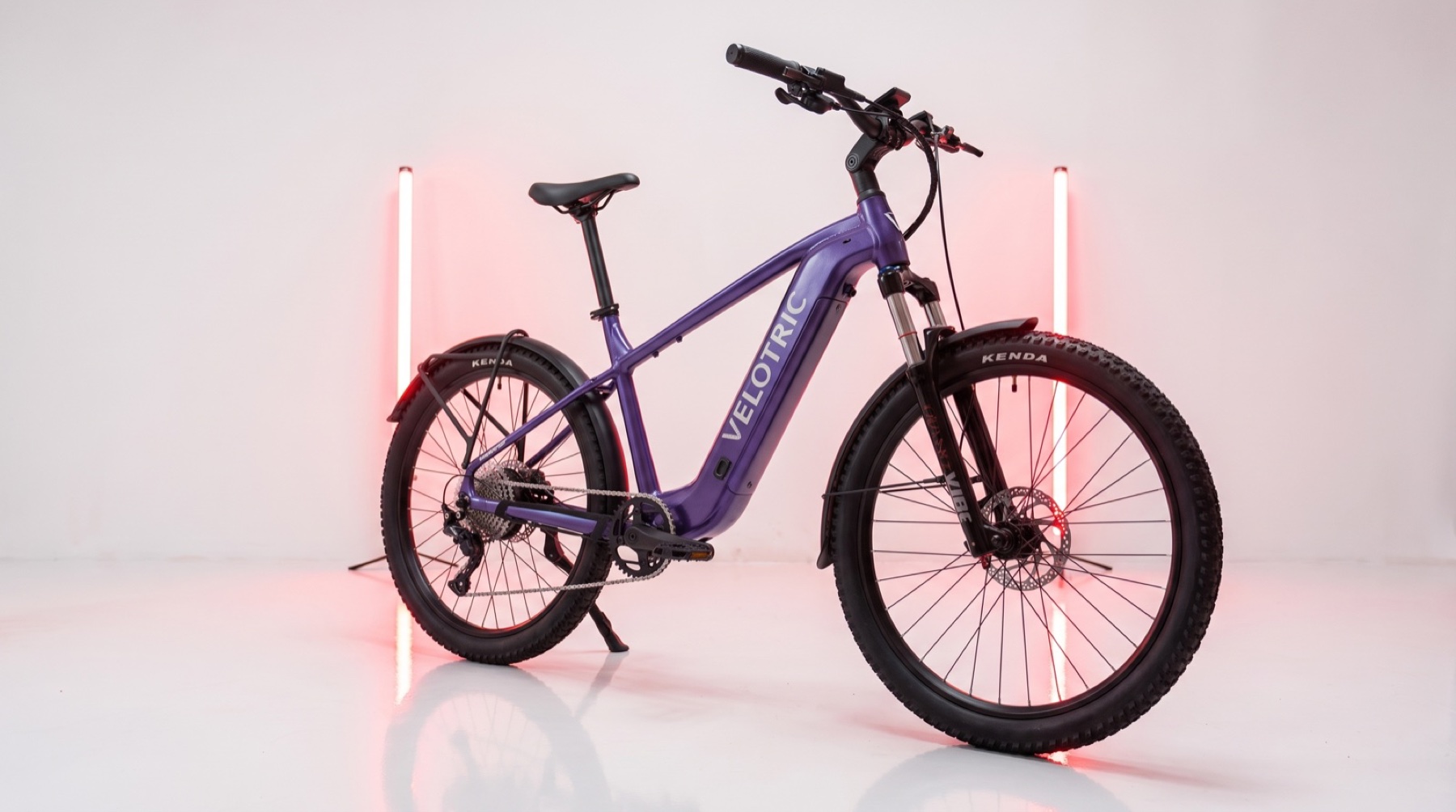
- Reviewed by BenVelotric Summit 2, $2,099100 Nm, 120 mm fork, 95 miles listed.
- Light trail bikeAventon Ramblas ADV, $2,89954 lb, 100 Nm, 130 mm travel.
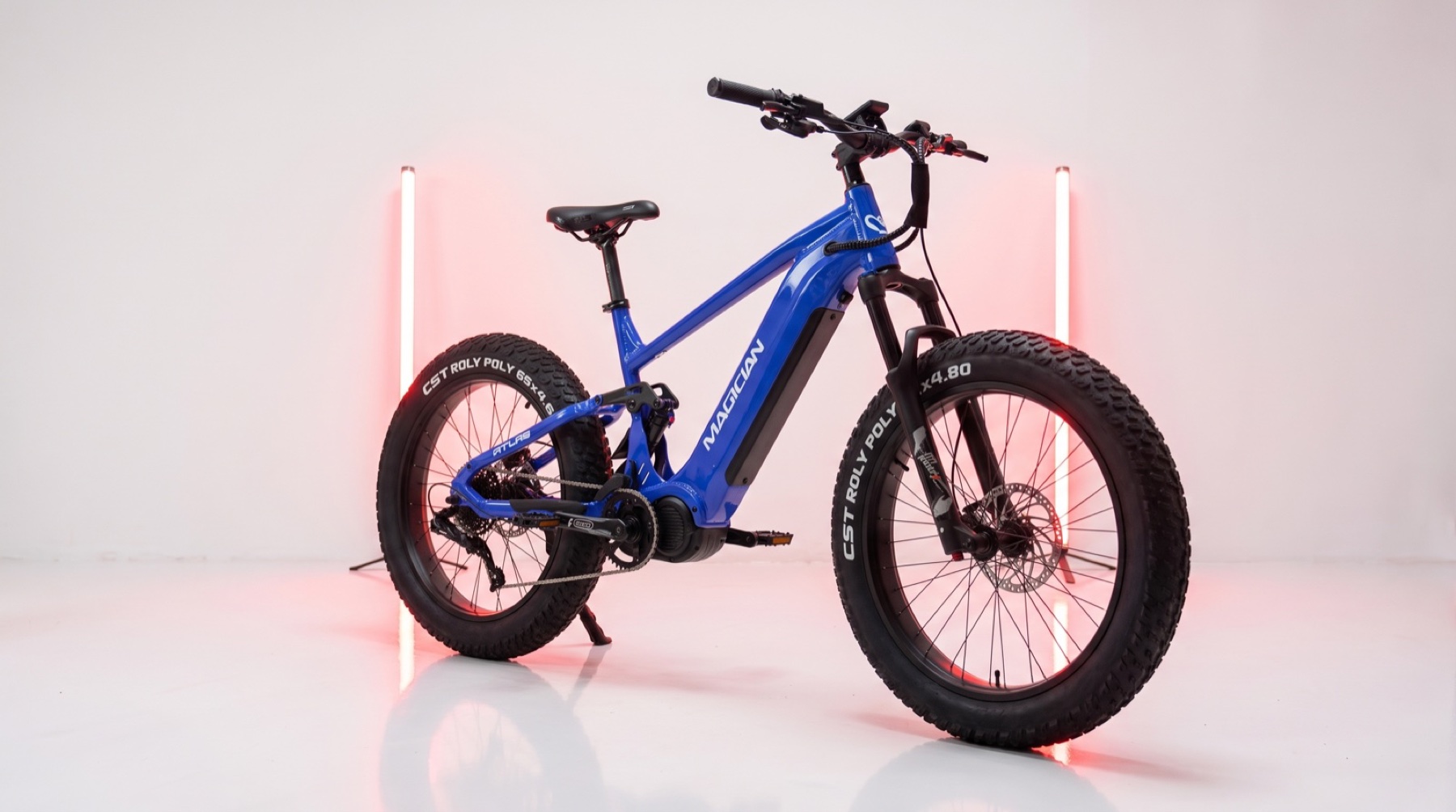
- Full suspension, mid-priceMagician Atlas, $2,399Full suspension with a Bafang Ultra 160 Nm motor.
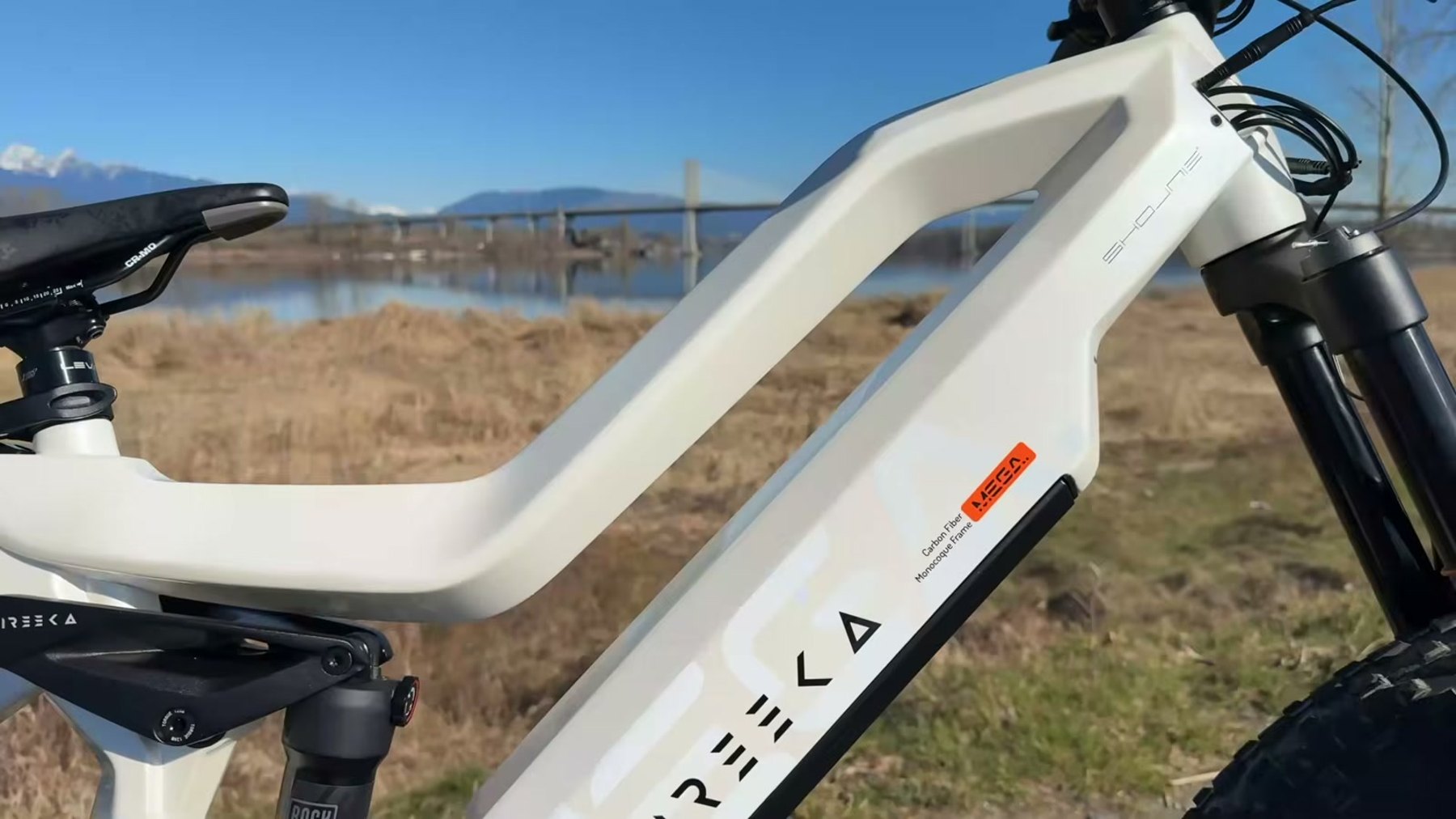
- Power and speedNireeka Mega, From $2,49934 mph, 1,000 W and 160 Nm, with 19 miles listed, so it is a short, fast ride.
- Serious trail bikesAventon Current ADV, $3,999140/150 mm full suspension, 120 Nm and 105 miles listed. The carbon Current EXP is $5,999.
What to look for
Travel
120 mm suits rolling trails and fire roads. 130 to 150 mm, as on the Ramblas ADV and Current models, handles rougher descents.
Hardtail or full suspension
A hardtail like the TrailRush costs less and weighs less. Full suspension keeps the tyre planted over roots and rocks.
Torque
Steep climbs are decided by torque. The listed range is 90 Nm on the TrailRush up to 160 Nm on the Nireeka Mega and Magician Atlas.
Trail access
Check your local trail rules before buying. Many trails treat class 1 pedal-assist differently from throttle or higher speeds.
Prices and specs are the ones on each bike page. Only bikes flagged Reviewed or Ben Reviewed have a Cave Score or Ben's test numbers.
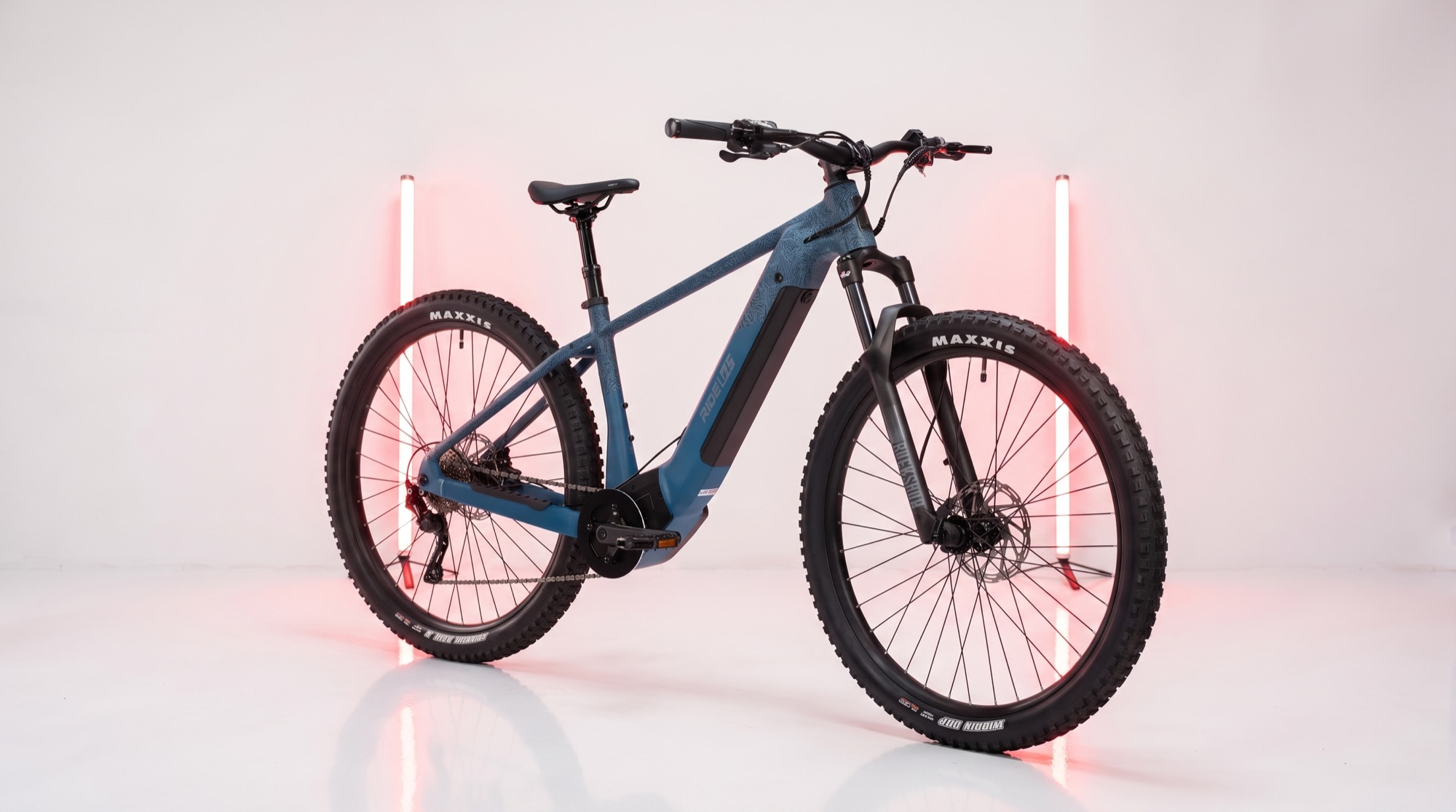
Ride1Up
Ride1Up's trail hardtail — a torque-sensed Brose mid-drive with a RockShox air fork and Maxxis Minion 29ers.
Aventon
From a lightweight hardtail trail bike to carbon full-suspension flagships — Aventon's Ultro-powered electric mountain bikes.
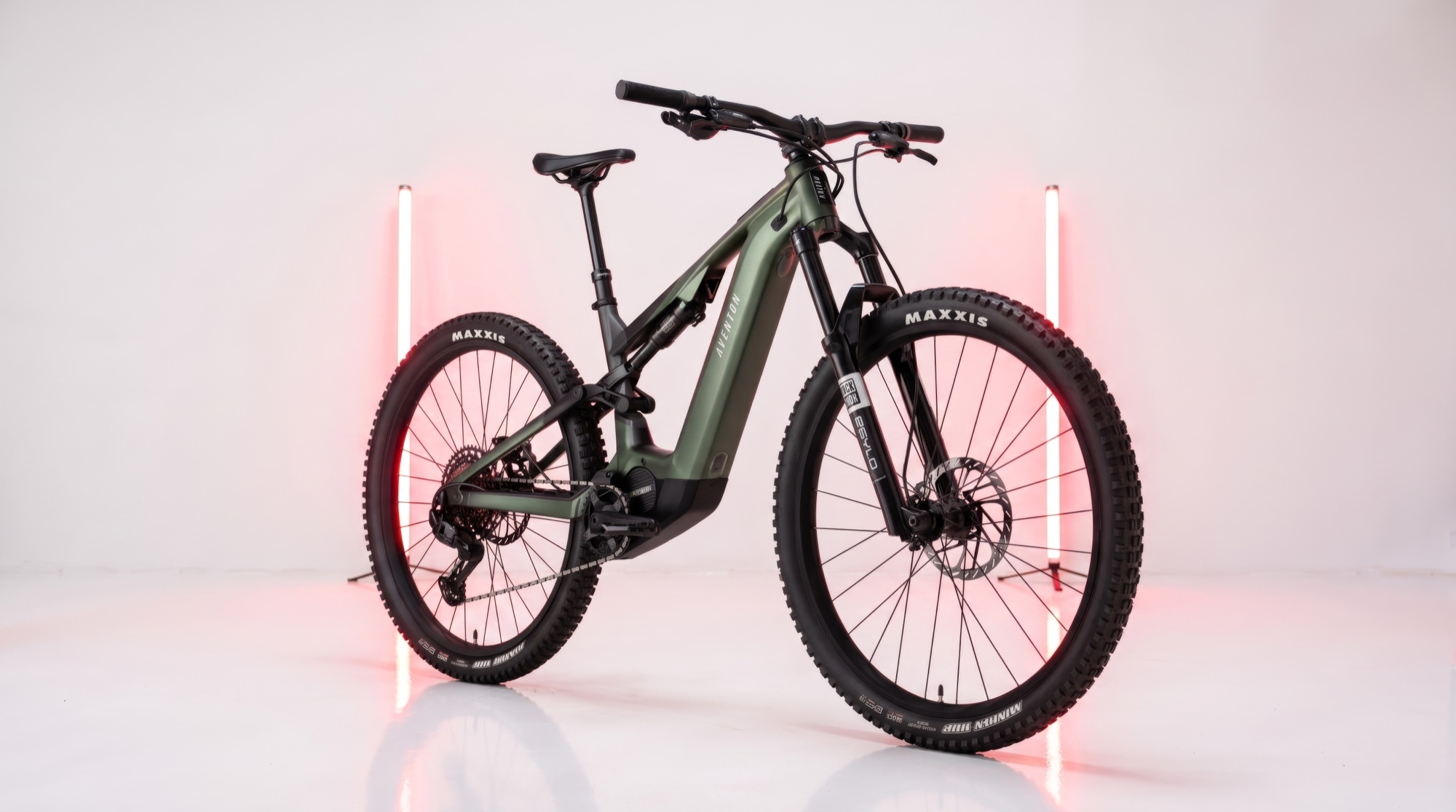
Current ADV
Aventon's alloy trail weapon — the 120Nm Ultro X mid-drive, 140/150mm RockShox suspension and up to 105 miles from an 800Wh battery.
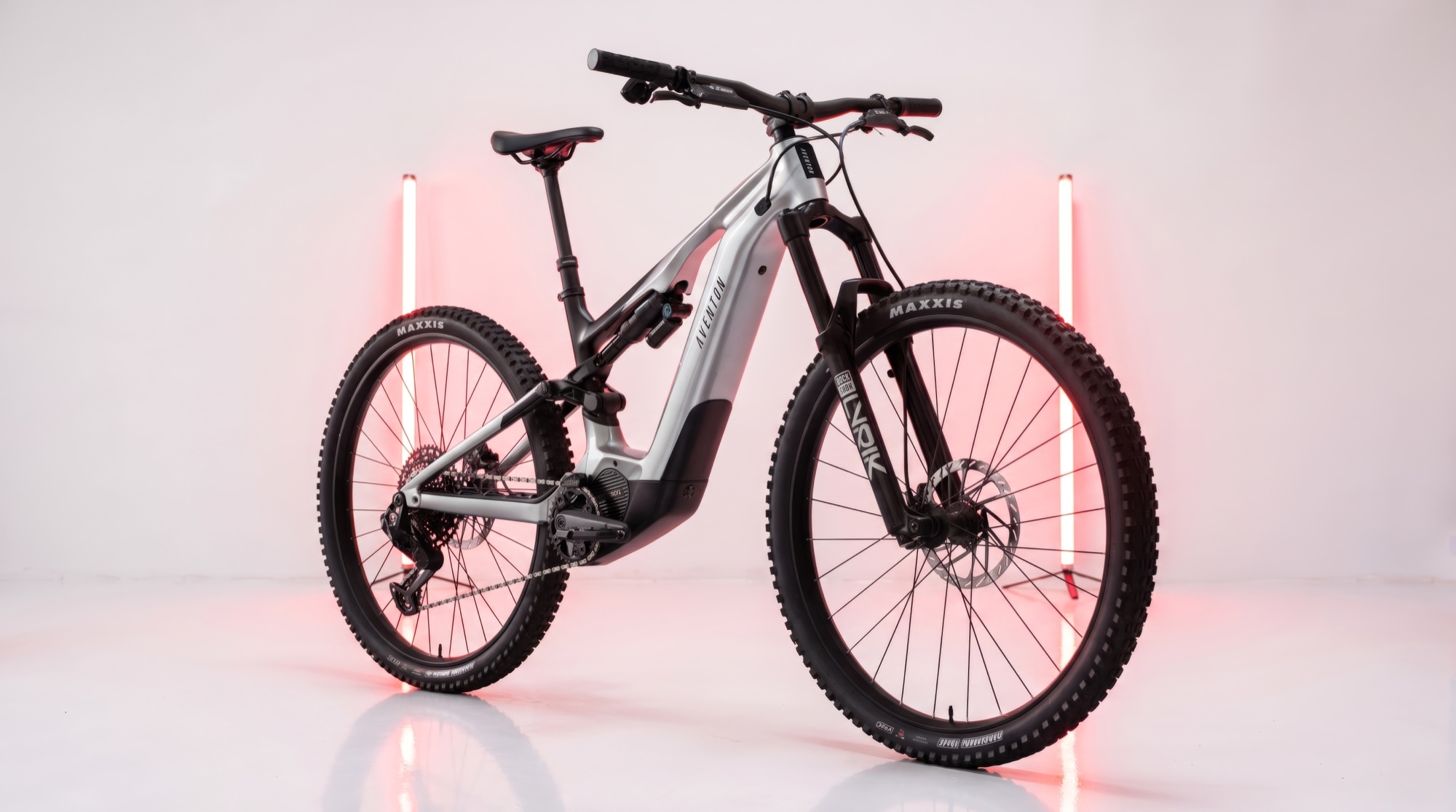
Current EXP
The carbon flagship — a carbon front triangle, the 110Nm (120 Boost) Ultro X mid-drive, SRAM Maven brakes and up to 105 miles of range.
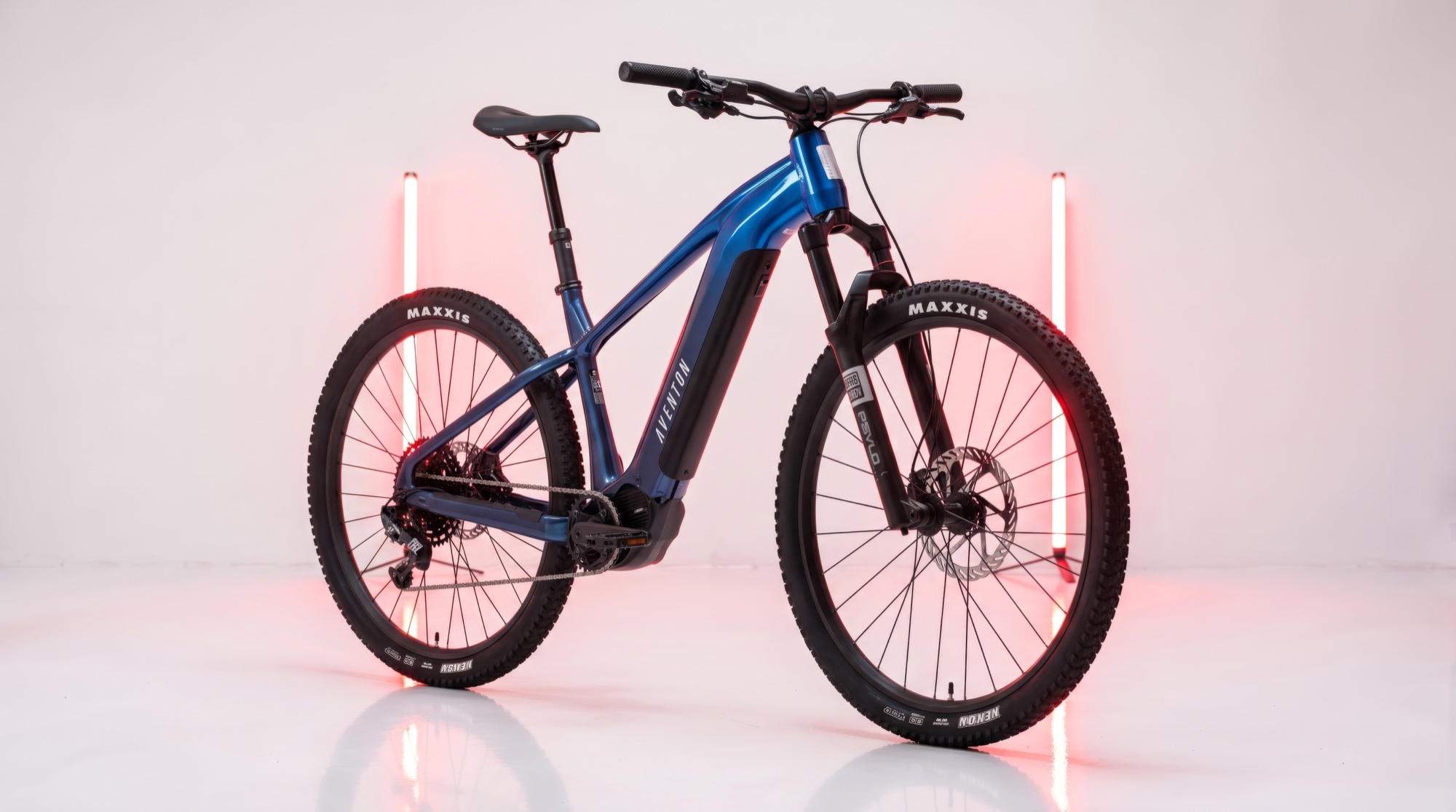
Ramblas ADV
Aventon's lightweight trail eMTB — a 100Nm A100 mid-drive, a RockShox fork, a dropper post and up to 90 miles, all at just 54 lbs.
Velotric
Trail-capable hybrids with real air forks, UL certification and app-tuned power.
Magician
Performance bikes that punch way above their price. We GPS-tested the Alpha at 49 mph.
Nireeka
Every Nireeka bike we cover, with specs, prices and Ben's testing where he has ridden it.
Specialized
Turbo commuter and e-MTB bikes from Specialized, from the Vado and Como city bikes to the Levo and Kenevo trail bikes. Ben hasn't tested these yet, so every number is Specialized's claim.
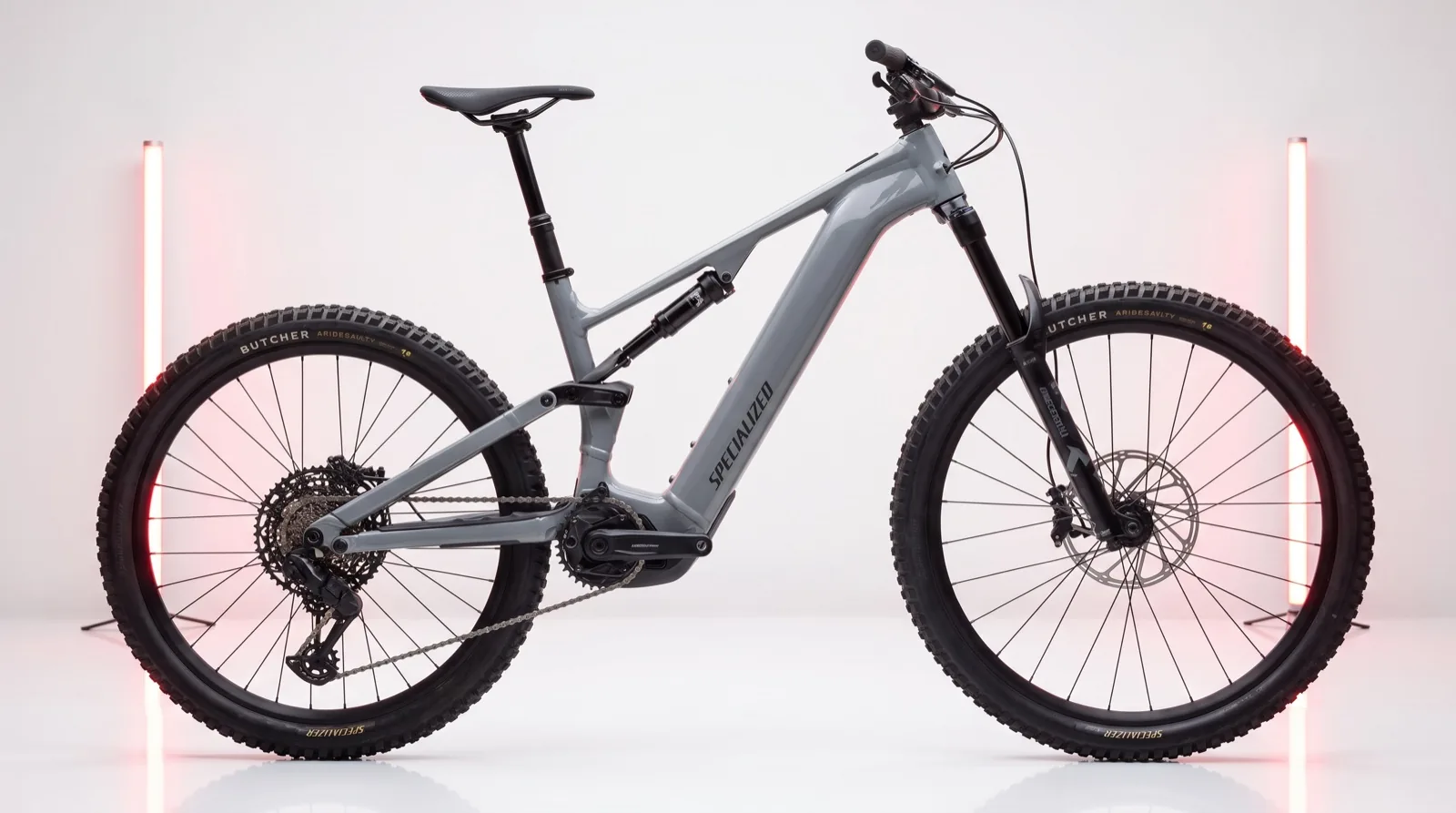
Turbo Levo 4
Specialized Turbo Levo 4 specs and price: a full-power trail e-MTB with a 105 Nm, 810 W motor, 840 Wh battery and 150 mm of rear travel. From $4,999.99. Not yet tested by Ben.
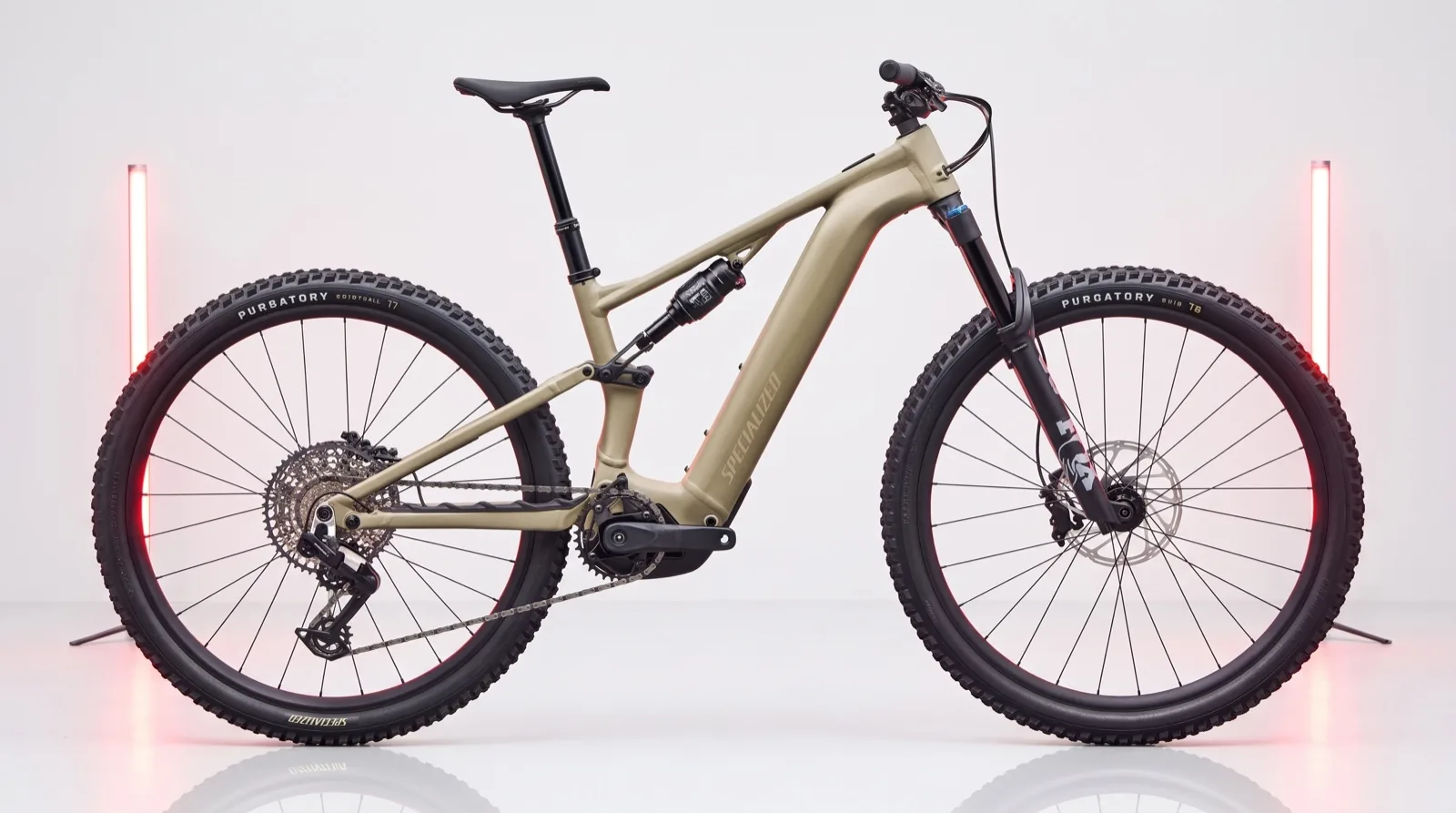
Turbo Levo R
Specialized Turbo Levo R specs and price: a full-power XC trail e-MTB with 130 mm rear and 140 mm front travel, a 105 Nm motor and 840 Wh battery. From $6,699.99.
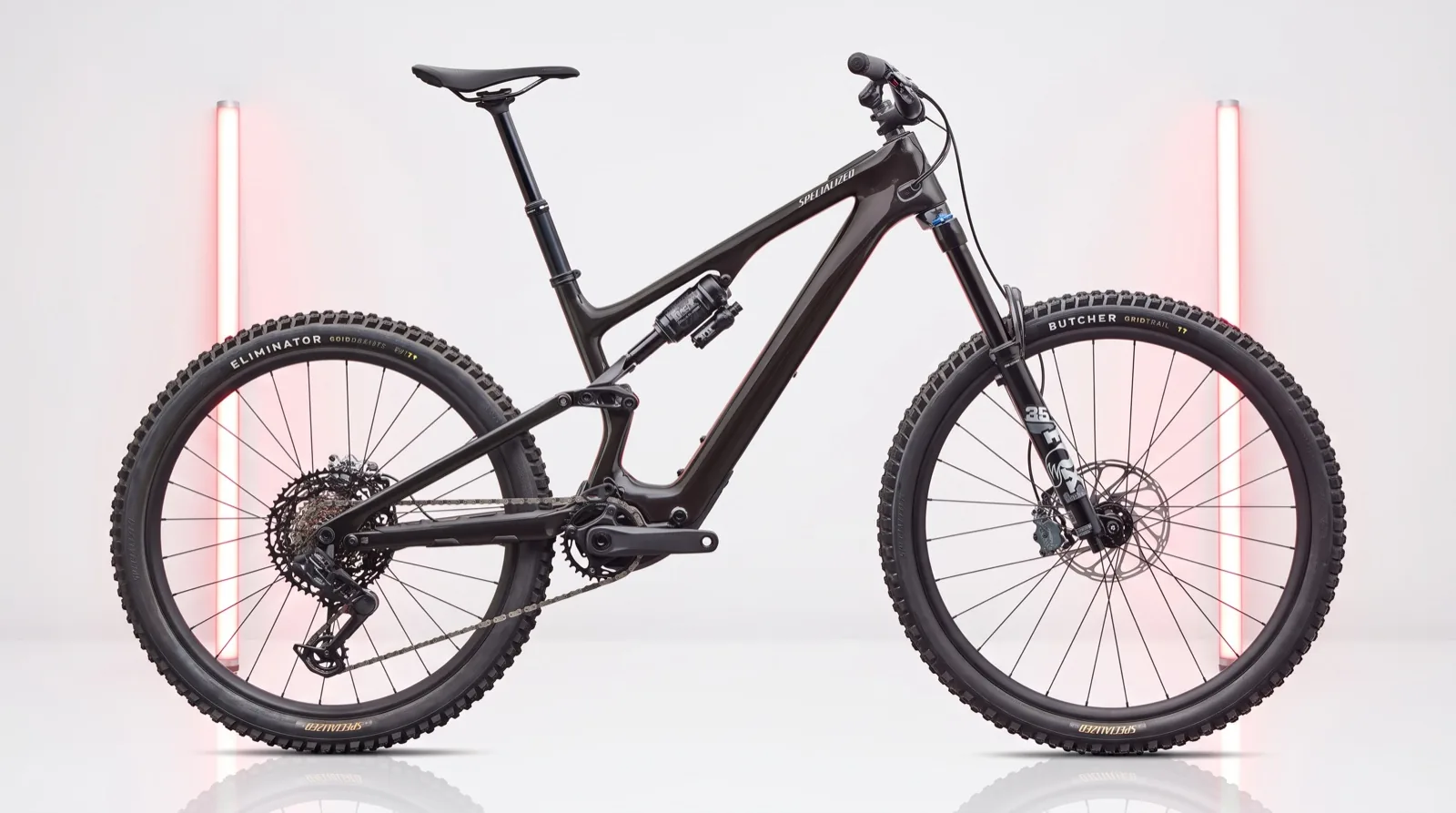
Turbo Levo SL 2
Specialized Turbo Levo SL 2 specs and price: a light carbon e-MTB with a 50 Nm, 320 W motor, 320 Wh battery and 150 mm of travel. From $6,599.99. Not yet tested by Ben.
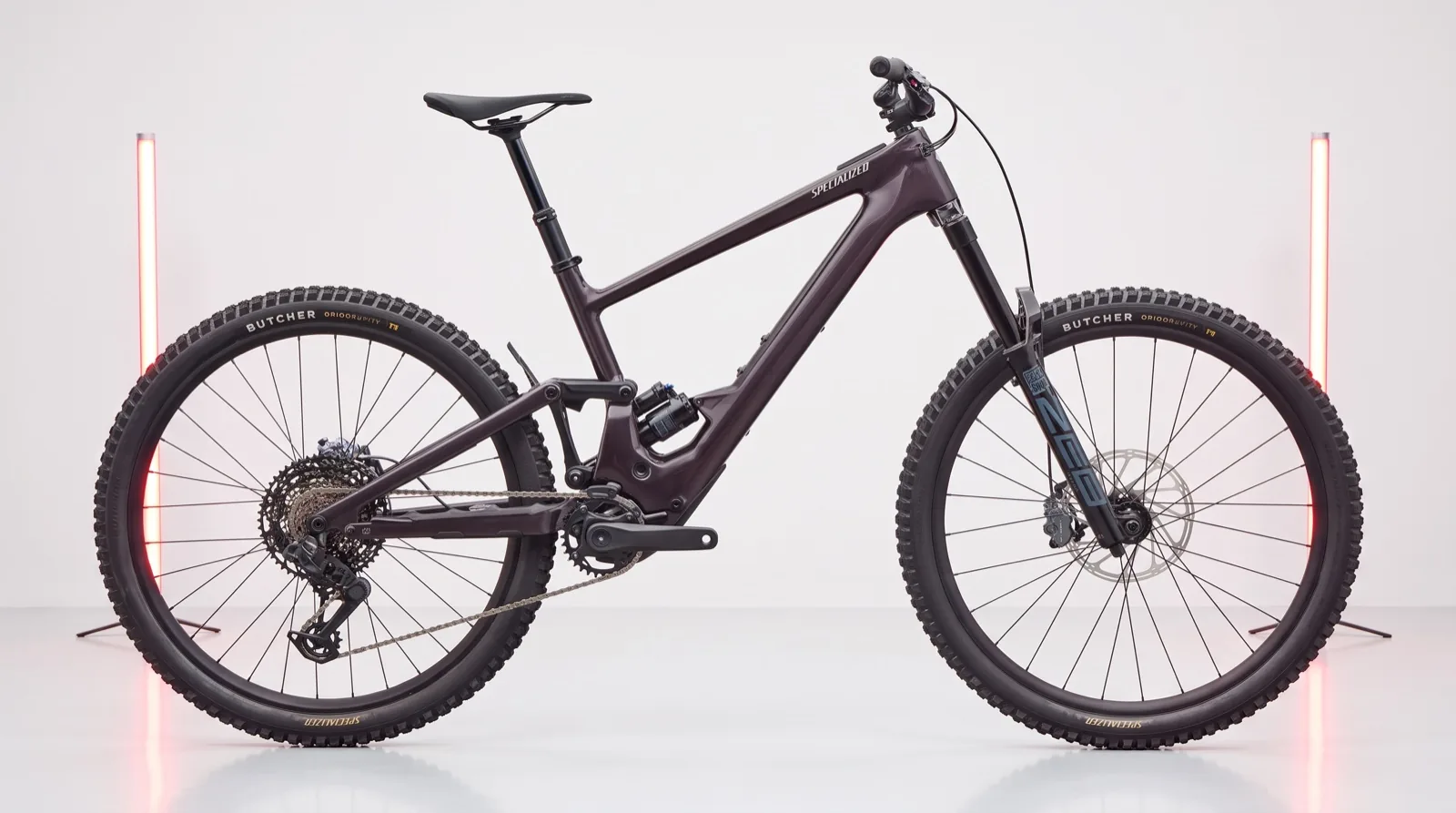
Turbo Kenevo SL 2
Specialized Turbo Kenevo SL 2 specs and price: a light enduro e-MTB with a carbon frame, 170 mm of travel, a 50 Nm, 320 W motor and 320 Wh battery. From $5,999.99.
Trek
Trek and its Electra brand, from commuter hybrids to full-suspension e-MTBs. Ben has not tested these yet, so every page lists Trek's claimed specs with live US prices and stock.
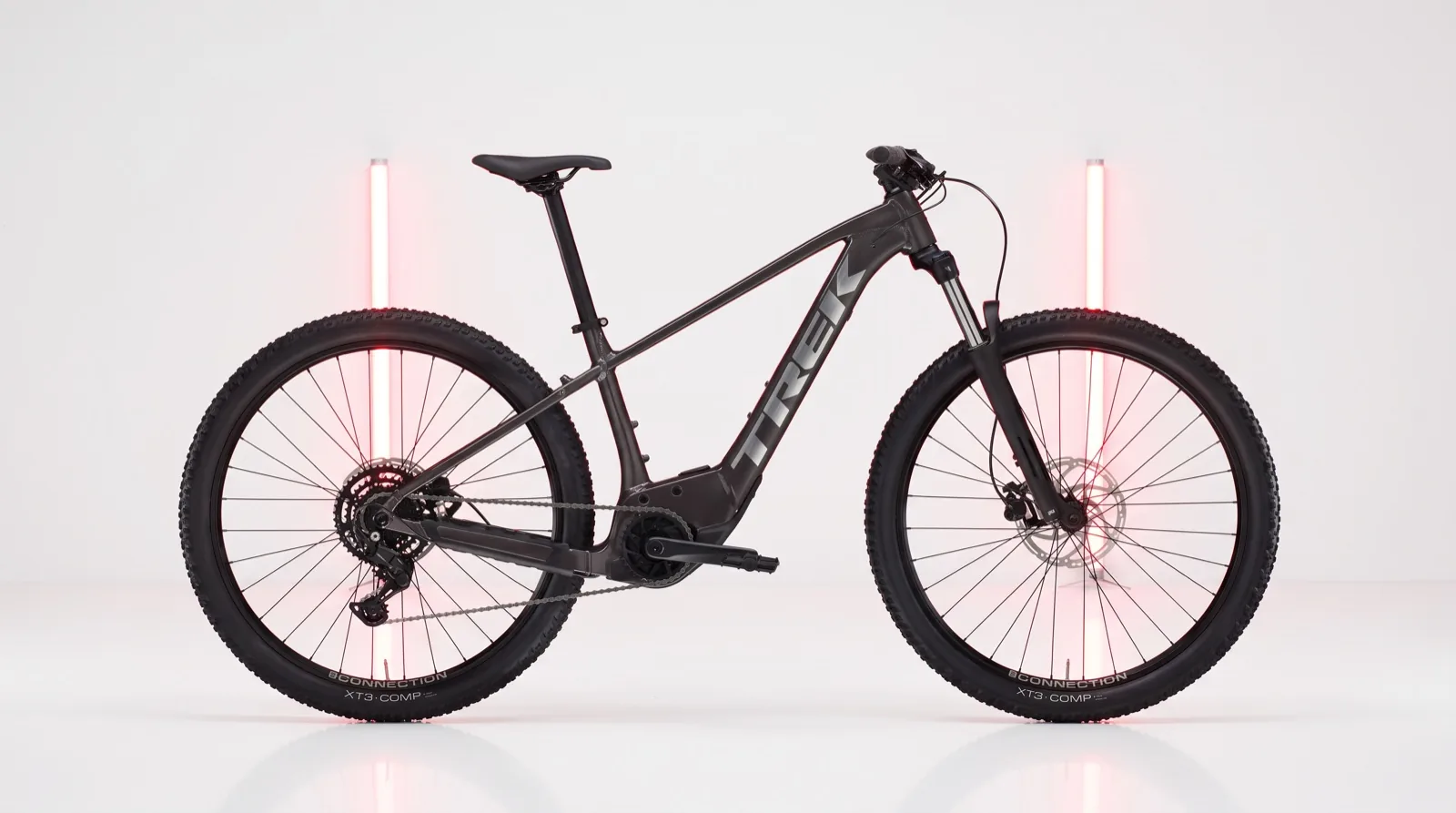
Marlin+
Trek Marlin+ hardtail e-MTB: Bosch motor specs, Gen 2 builds, from $2,499.99, stock and sizes, checked against Trek's US store. Not yet tested by Ben.
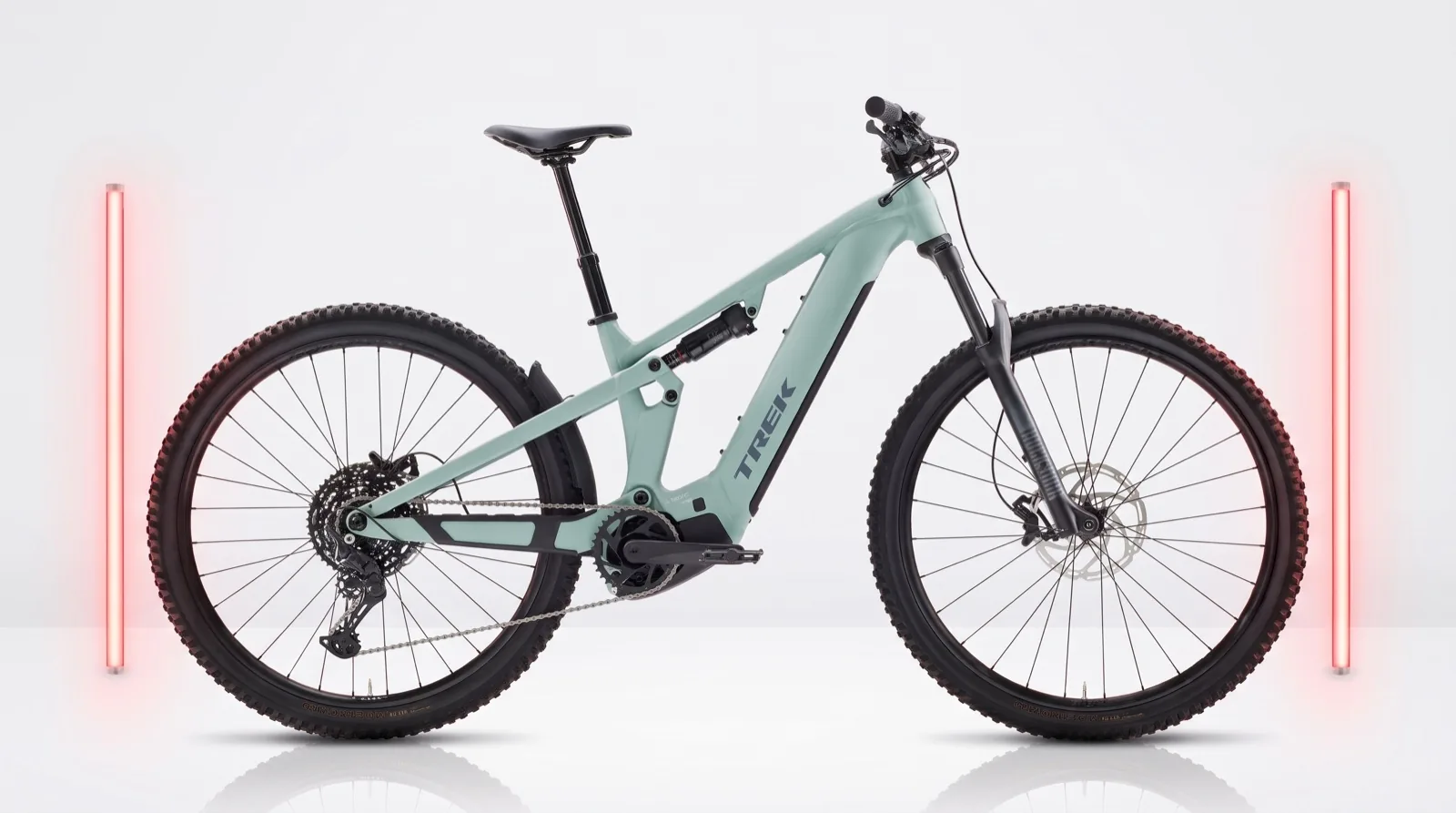
Powerfly+ FS 4
Trek Powerfly+ FS 4 trail e-MTB: Bosch CX motor, 600Wh, RockShox fork, $4,499.99, checked against Trek's US store. Not yet tested by Ben.
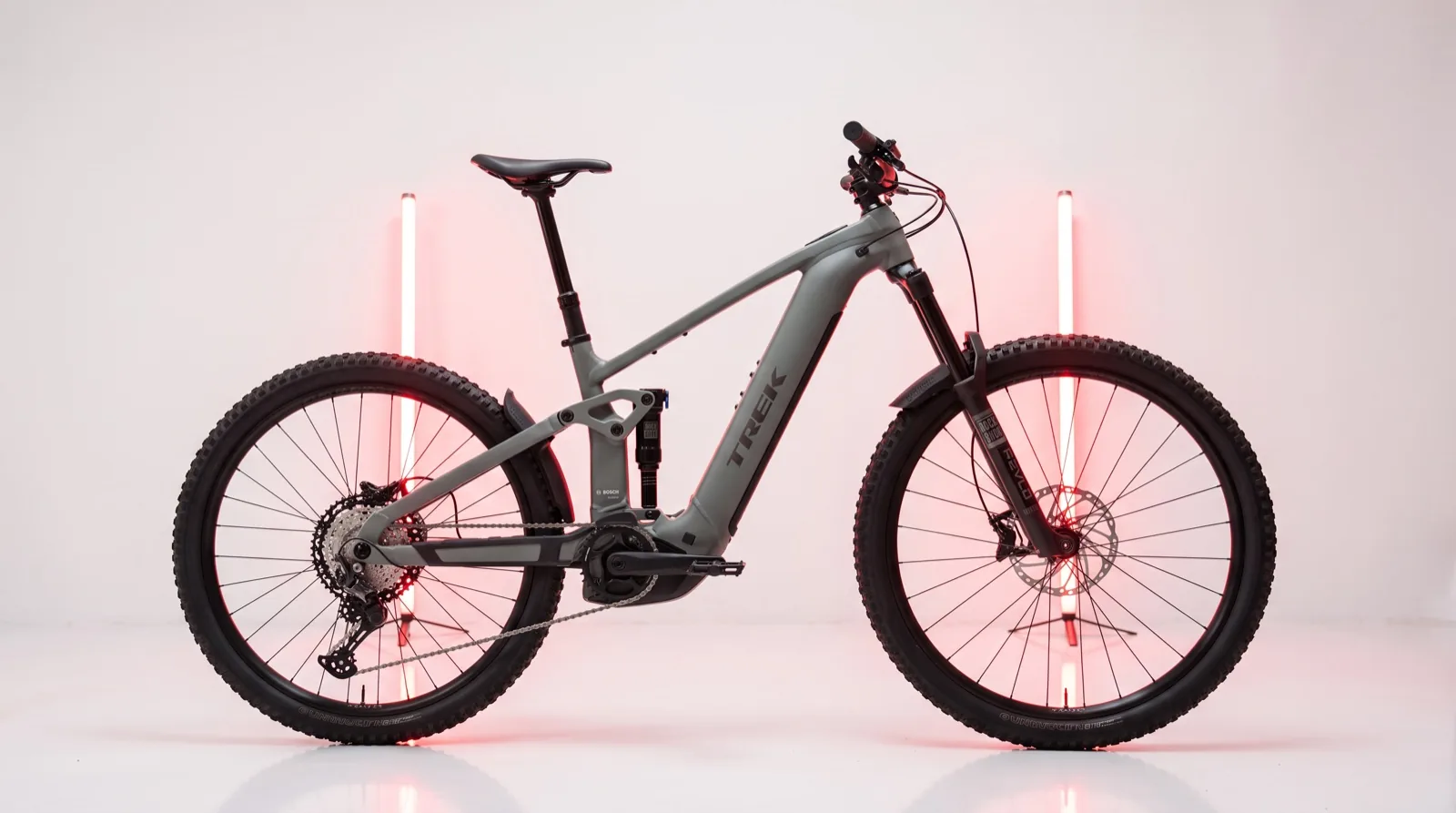
Rail+
Trek Rail+ Gen 5 enduro e-MTB: Bosch CX motor, 800Wh, 160 mm travel, builds from $4,999.99, checked against Trek's US store. Not yet tested by Ben.
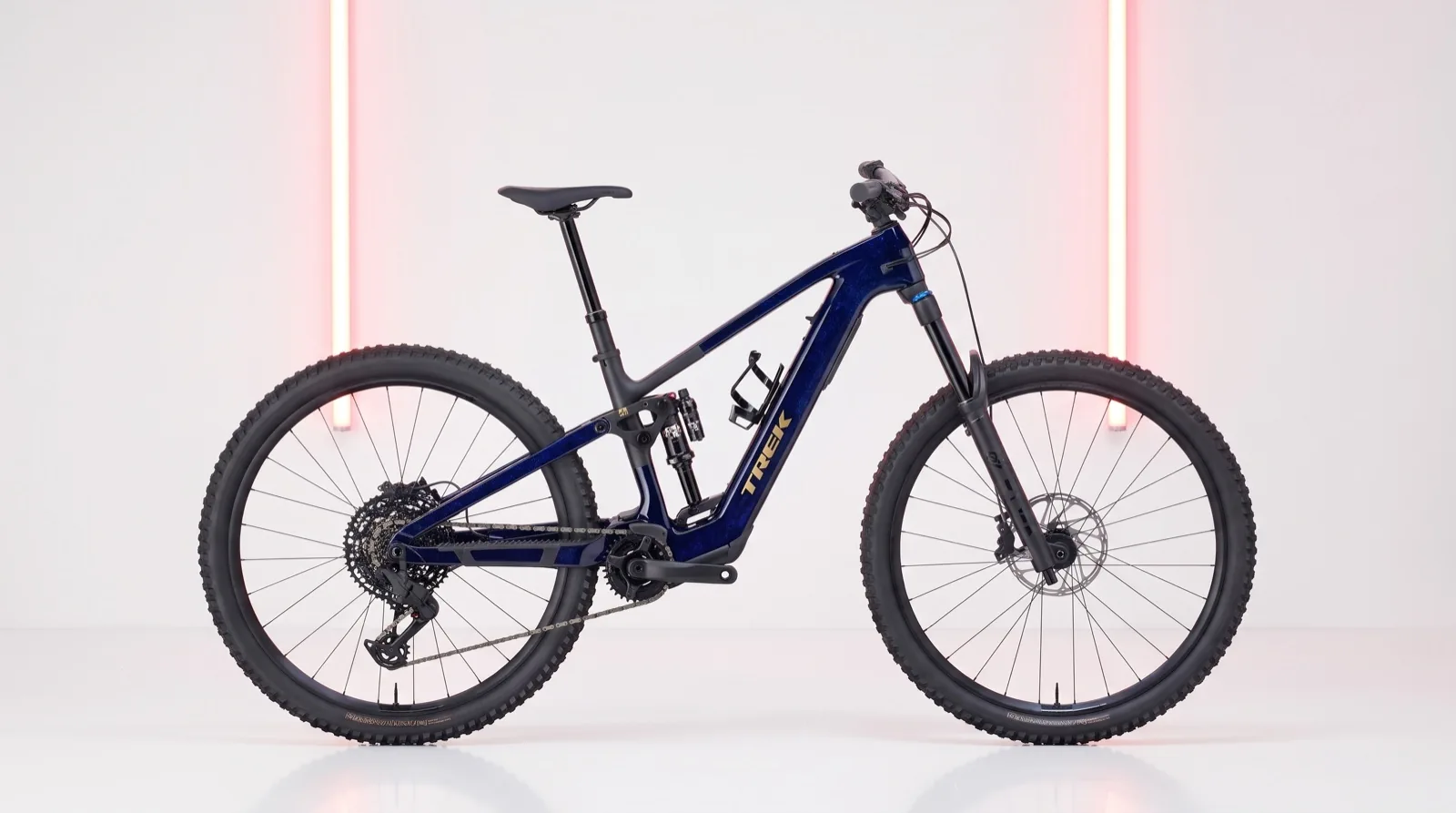
Fuel+
Trek Fuel+ light-assist carbon e-MTB (Fuel EXe successor): TQ-HPR60, 580Wh, 14 builds from $5,999.99, checked against Trek's US store. Not yet tested by Ben.
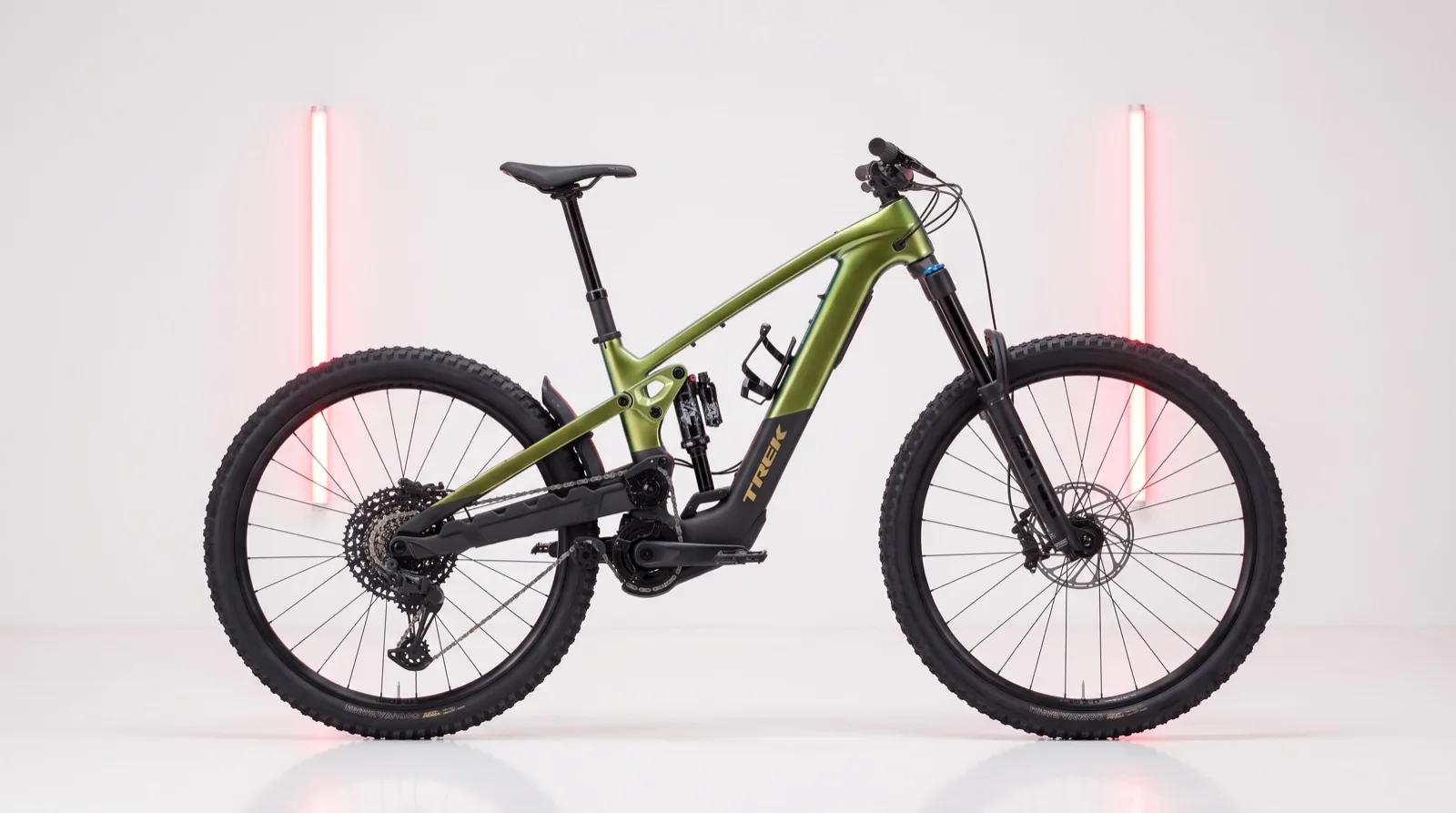
Slash+
Trek Slash+ light-assist enduro e-MTB: TQ-HPR60, 580Wh, 170 mm travel, from $7,999.99, checked against Trek's US store. Not yet tested by Ben.
Frequently asked questions
What makes an e-MTB different from a fat-tire e-bike?
Geometry and control, not power. An e-MTB is built around trail riding: real suspension travel front and rear, grippy tires with a proper casing, a dropper post, a wide bar, and a mid-drive motor that puts torque through the cassette so the gears still do their job on a steep climb. A fat-tire cruiser will go down a fire road; it won't hold a line on singletrack.
Mid-drive or hub motor for trails?
Mid-drive, almost always. Because the motor drives the chain, it gets to use your gears, so it keeps making torque at walking pace on a steep pitch where a hub motor is bogging and heating up. It also centres the weight low in the frame, which is what makes an e-MTB corner like a bike instead of a scooter.
Are e-MTBs allowed on mountain bike trails?
It varies more than any other question in e-biking. Plenty of systems allow Class 1 pedal-assist bikes anywhere a regular mountain bike goes, and plenty of others ban all motorized use outright. It's set by the land manager — the park, the forest district, the trail association — not by your state. Look it up for the specific trail, and don't assume last year's answer still holds.
How are e-MTBs scored here?
Electric mountain bikes get scored on the Top To Bottom MTB rubric, which is a different scale from the Cave Score used elsewhere on this site. Seven categories — motor, climbing, descending, suspension, handling, fun, and the small things — each scored from −3 to +3, for a total out of 21. A negative is real and it means the bike is worse than average in that area. It is never converted into a mark out of ten.
Full suspension or hardtail?
Full suspension if you ride rough, rocky or fast descents — the rear wheel stays on the ground, so you keep traction and your body takes less of a beating over a long ride. Hardtail if your trails are smoother and flowier, or if the budget is tight: you get better parts for the money, less to maintain, and a bike that rewards clean line choice.
How much range do you get on singletrack?
Far less than a road number, and that's normal. Climbing is where a battery gets spent, and trail riding is mostly climbing and coasting. Ride in the lowest assist mode that still feels good and you can often double your ride time; ride everything in boost and you'll be pedalling a heavy bike home.
What is the cheapest e-MTB on this page?
The Ride1Up TrailRush at $1,995, a trail hardtail with 120 mm travel. The Velotric Summit 2 is next at $2,099, and Ben reviewed it.
Which e-MTB has the most torque?
The Nireeka Mega is listed at 160 Nm, and the Magician Atlas uses a Bafang Ultra 160 Nm motor. The Aventon Current models list 120 Nm.