Go-Anywhere Terrain
Adventure
Rugged, go-anywhere e-bikes for gravel, sand, snow and everything between — fat tires, long range and all-terrain capability. Every adventure bike here is one we take off the beaten path.
The fifteen best fat-tire adventure e-bikes for fire roads, sand, snow and hunting trails, ranked.
Ariel Rider
Long-range fat-tire adventure bikes with torque sensing and Apple Find My.
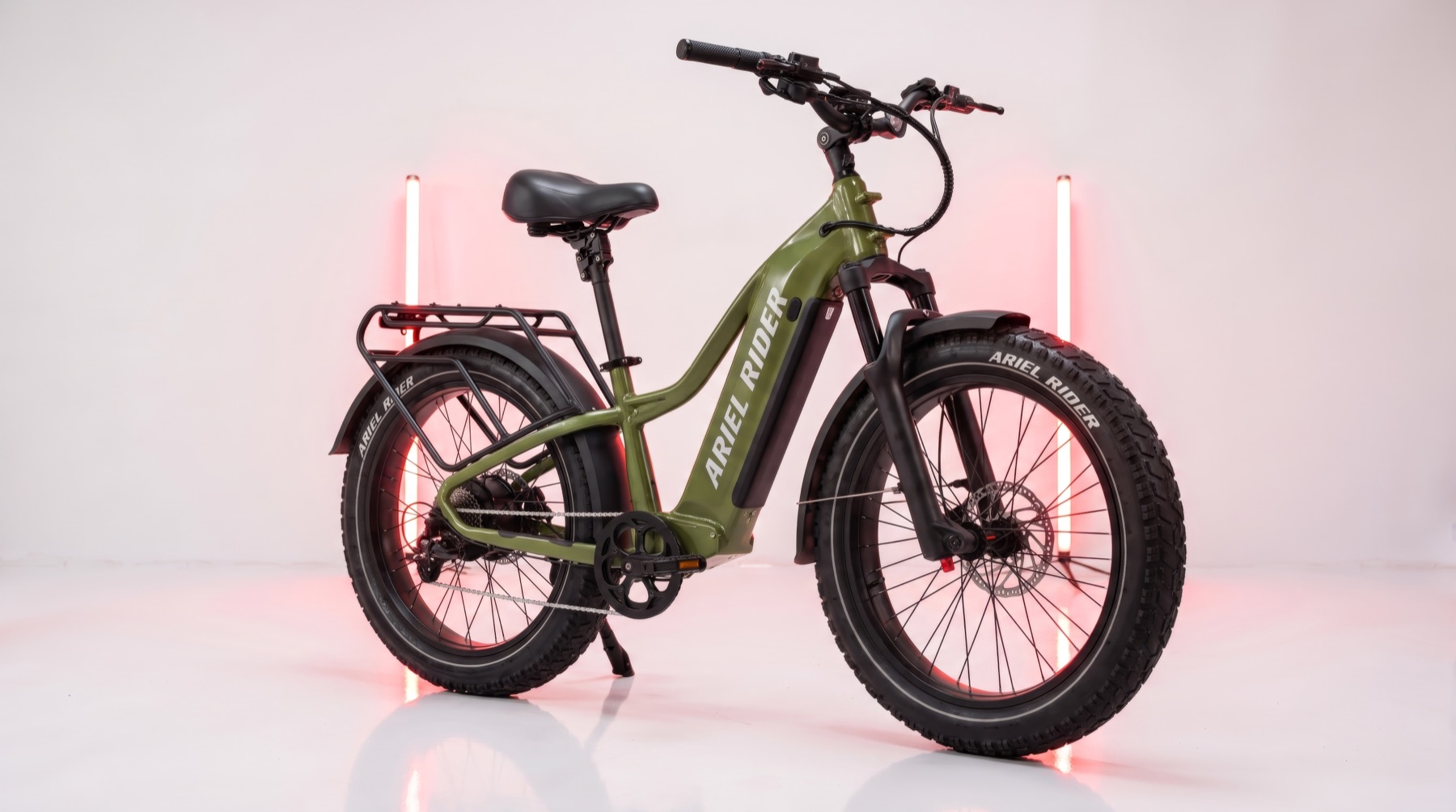
Kepler 52V (2026)
A UL-certified fat-tire adventure bike with torque-sensing 750W power, an air-spring fork, a real 8-speed drivetrain and Apple Find My — in two frames and four colors.
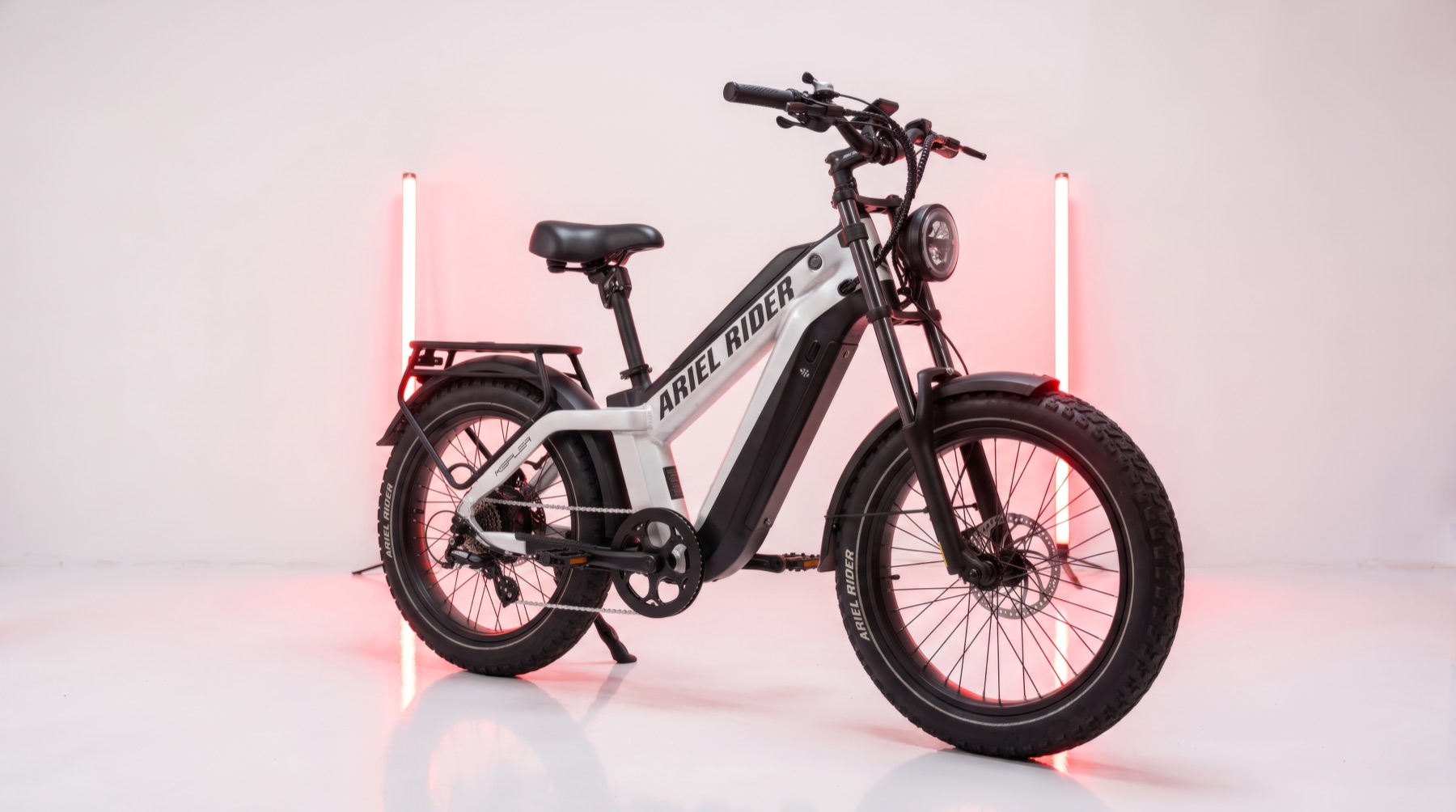
Kepler Dual Battery
The street-legal long-range Kepler — the same weld-free frame and 85–105-mile dual battery, locked to a road-legal Class 3 28 mph.
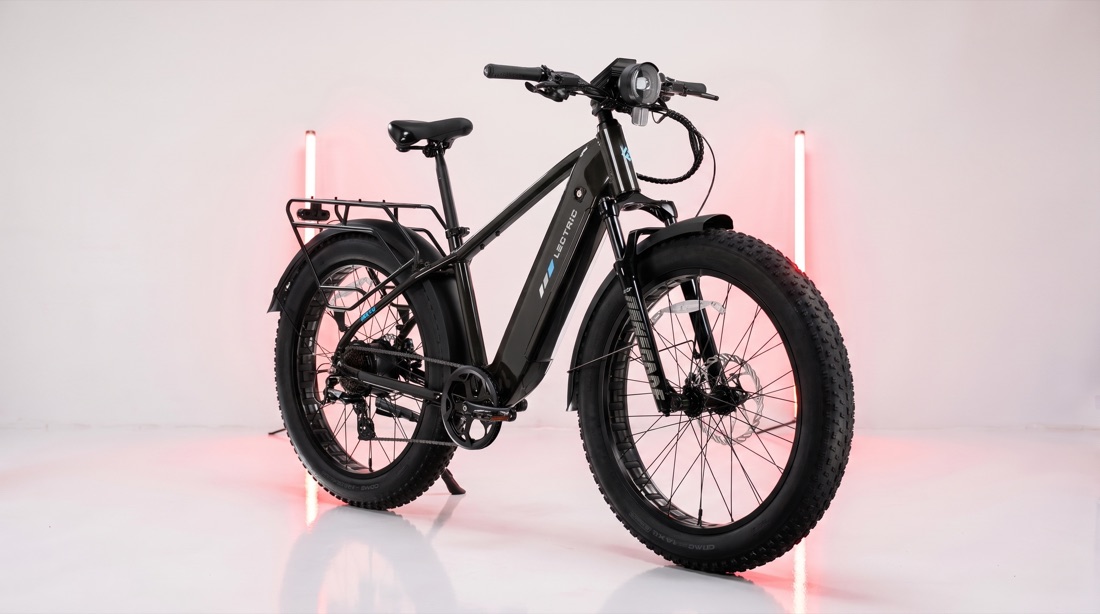
Lectric
Trail-ready all-terrain eBikes with fat knobby tires, torque sensors and serious brakes — built to leave the pavement behind.
Heybike
All-terrain and full-suspension fat bikes — mid-drive torque and a carbon frame built to leave the pavement behind.
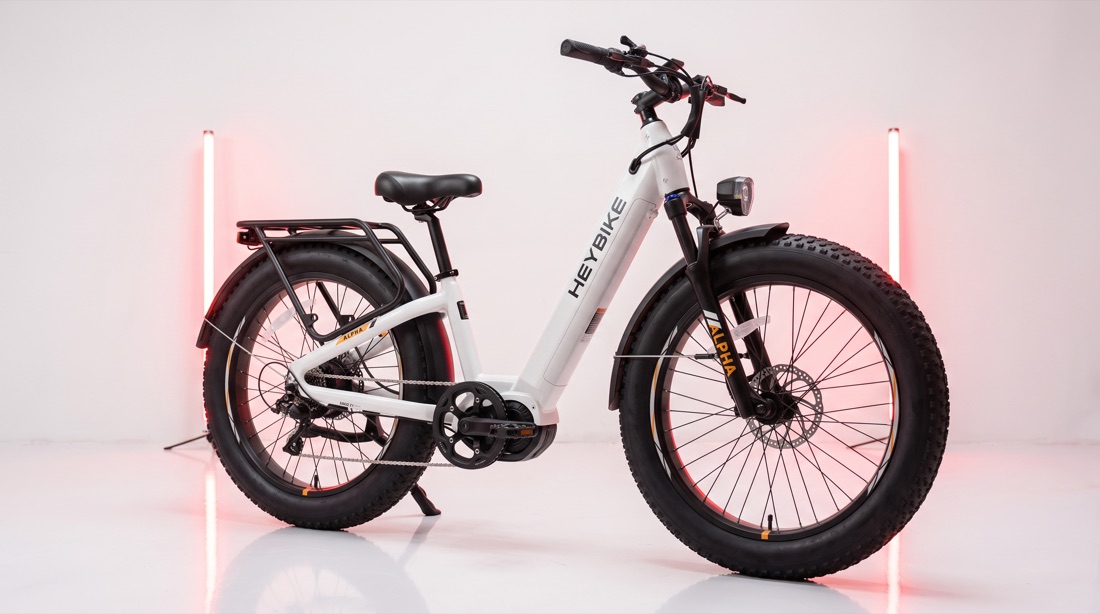
ALPHA
A mid-drive all-terrain fat bike with a 105 Nm Mivice motor and a choice of step-through or step-over frame.
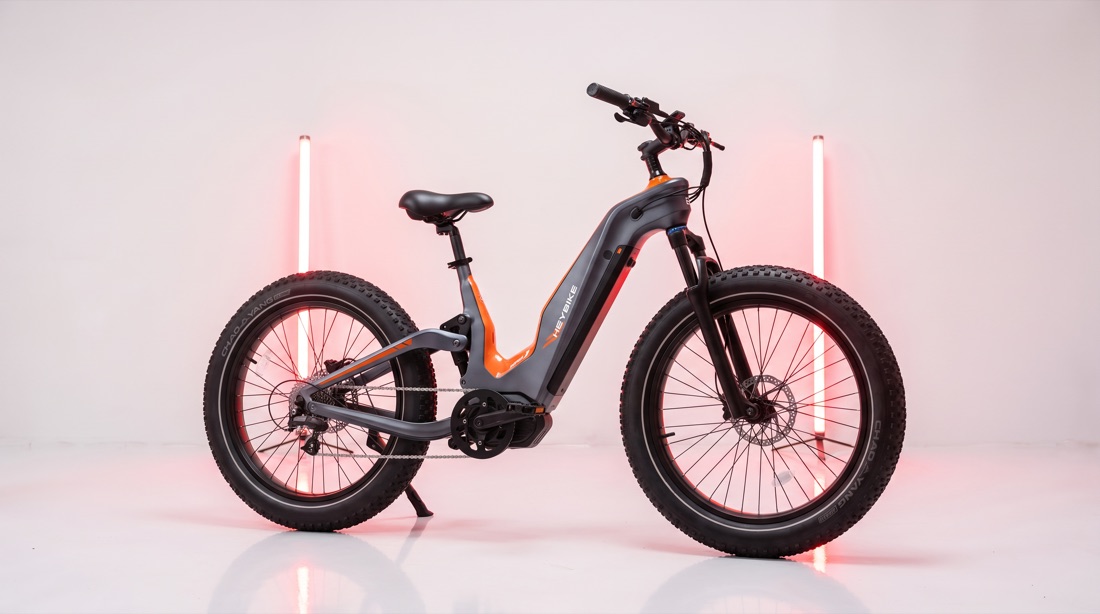
Hero
An award-winning T800 carbon full-suspension EMTB with a 160 Nm mid-drive option and a feathery 2.8 kg frame.
Aventon
Fat-tire and mid-drive adventure bikes built to roam — big tires, real suspension and long torque-sensing range.
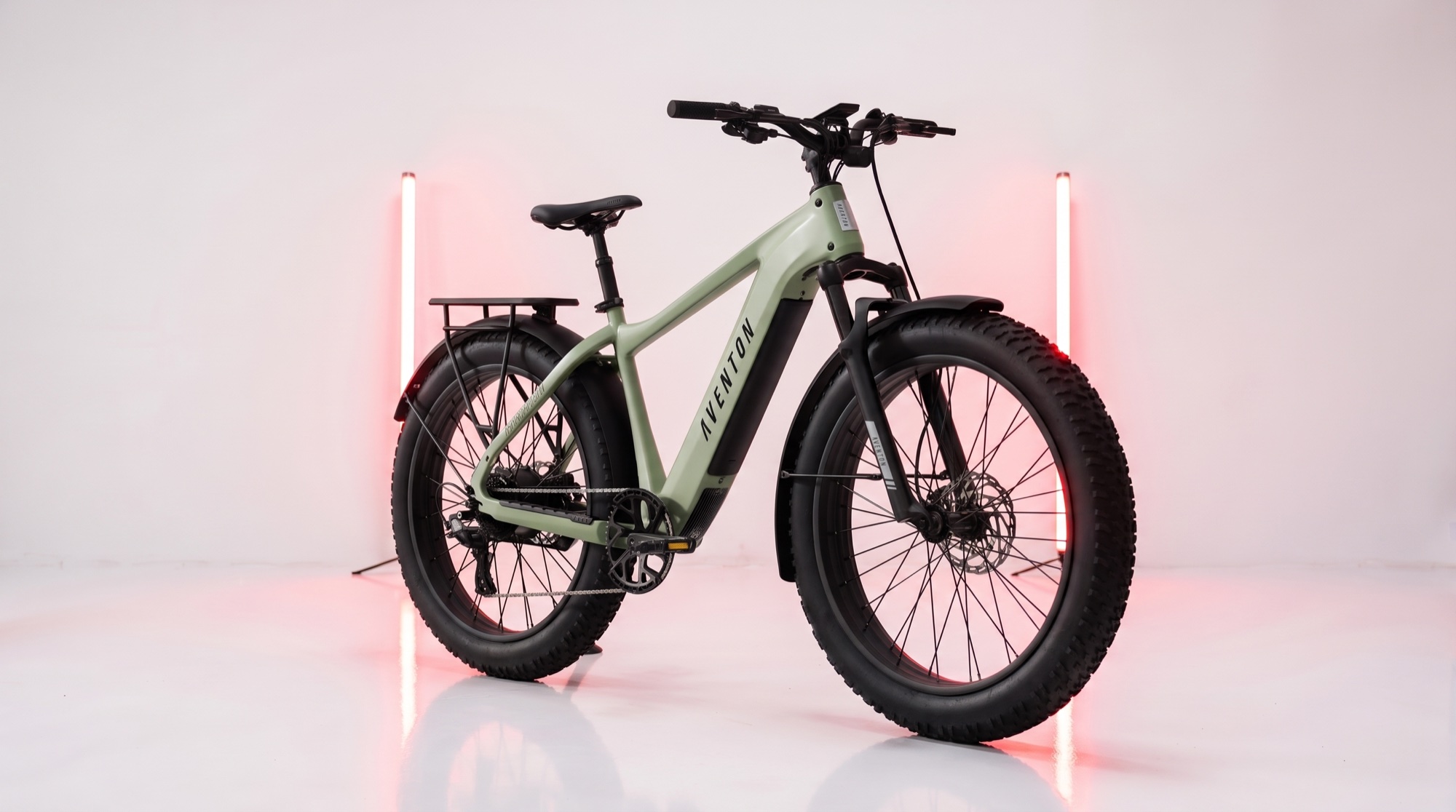
Aventure 3
Aventon's do-anything fat-tire bike — a 750W hub (1440W boost), 26×4.0 tires, an 80mm fork and up to 65 miles of torque-sensing range.
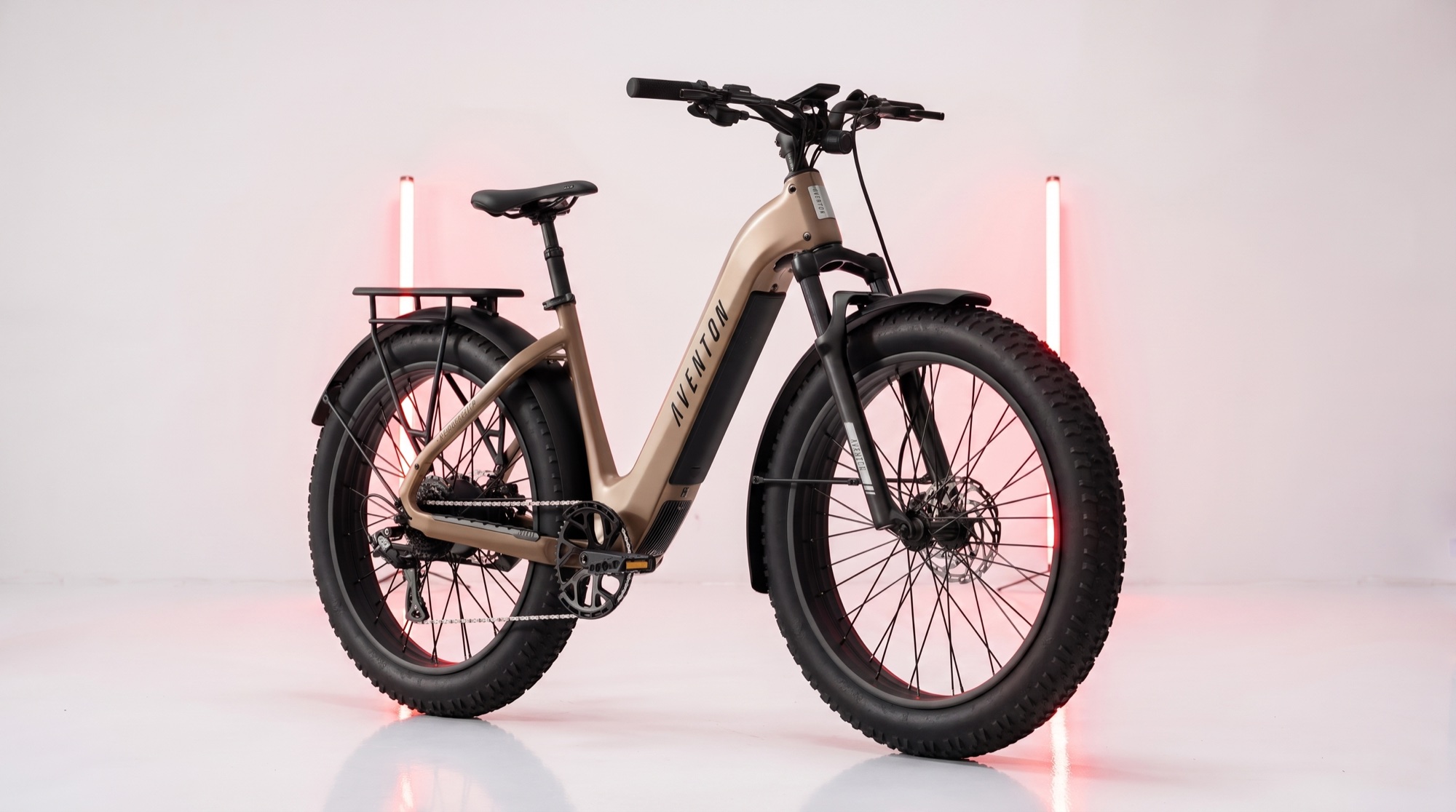
Aventure 3 Step-Through
The easy-mount Aventure 3 — the same fat-tire drivetrain, 733Wh battery and ACU smarts, in a low step-through frame.
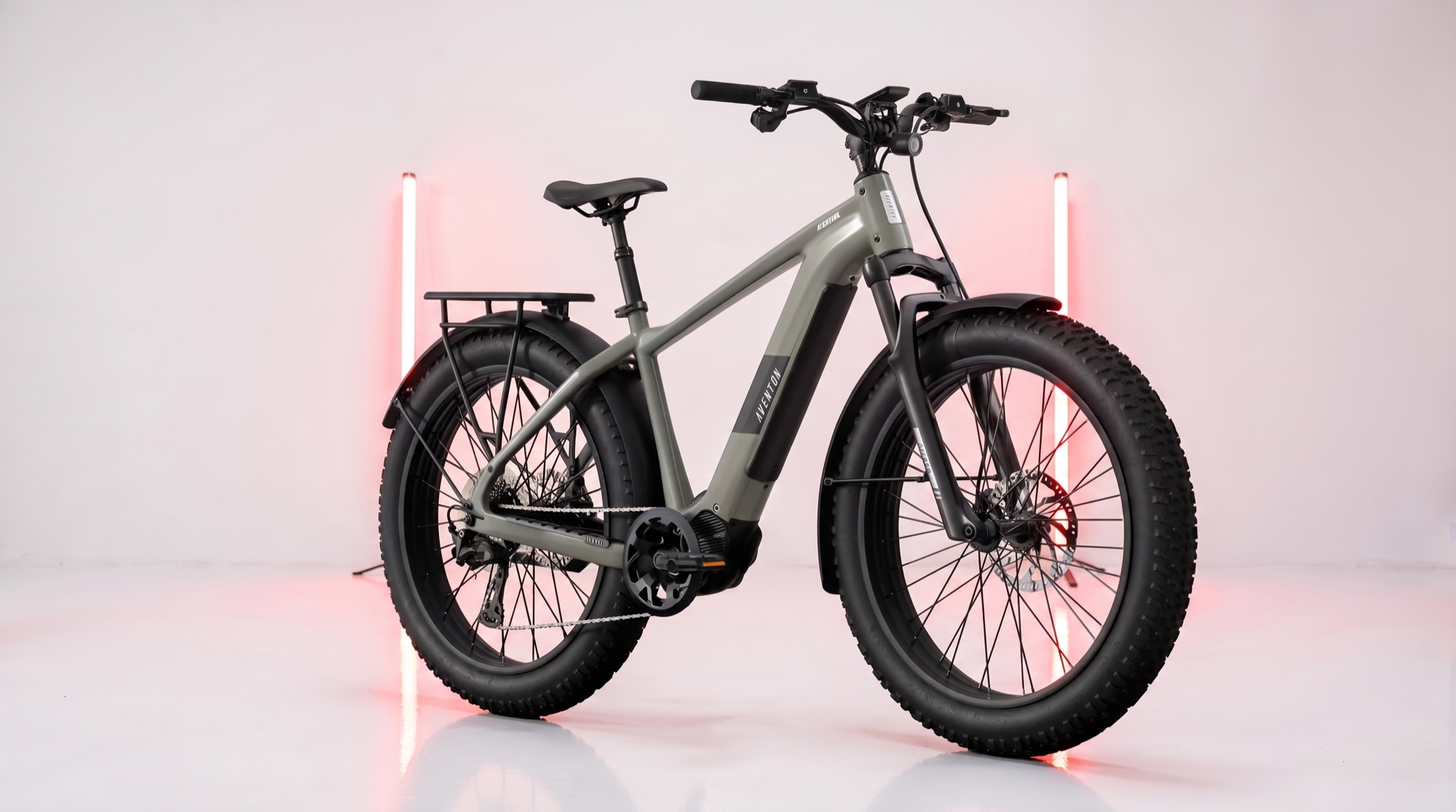
Aventure M
The mid-drive Aventure — the 100Nm A100 motor, a 10-speed electronic drivetrain with AutoShift and up to 85 miles of range.
Velotric
Fat-tire adventure bikes with SensorSwap, monster payloads and real suspension — including Ben's reviewed Nomad 2.
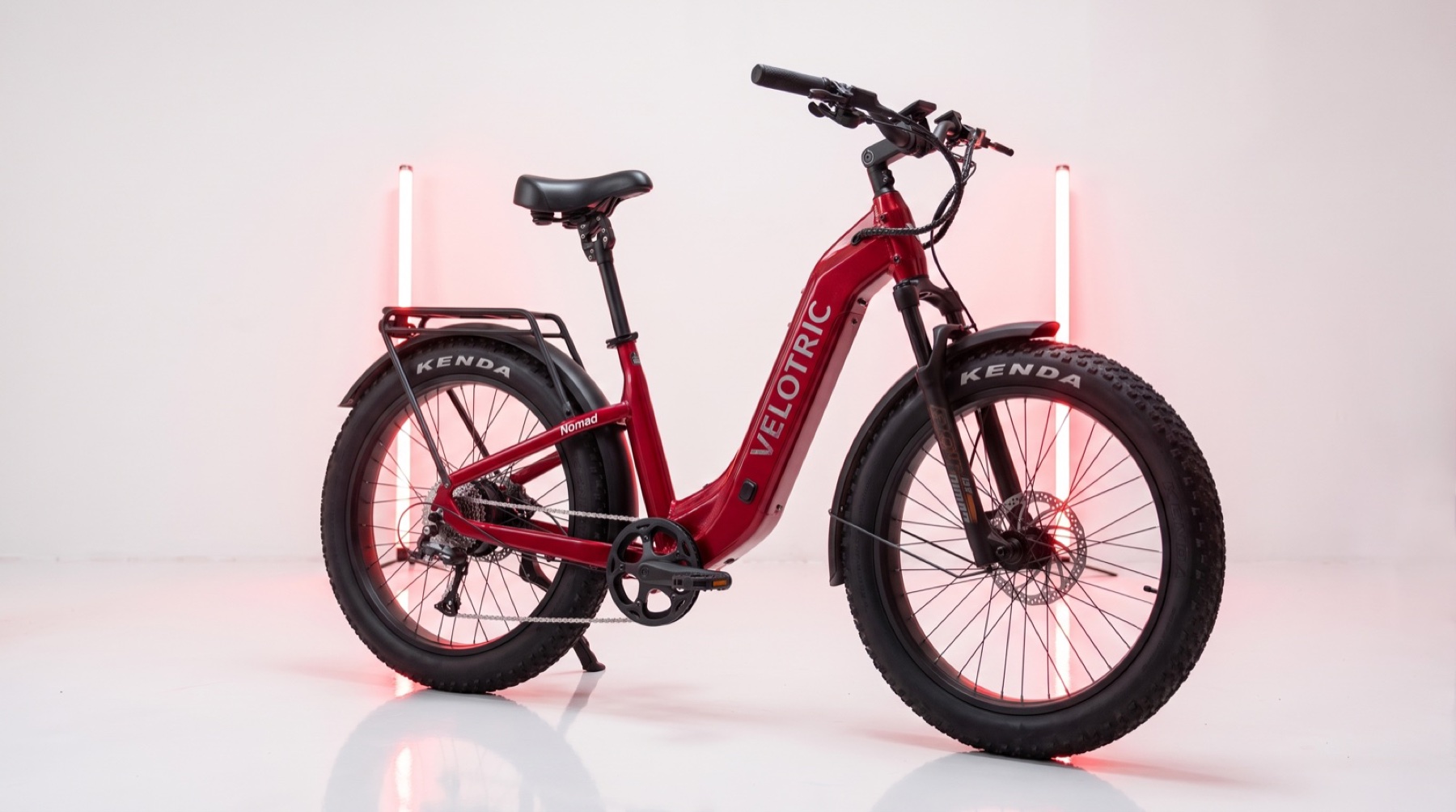
Nomad 2
Ben's GPS said 30 mph and the 90 Nm hub pulled 17 mph up a 15% grade — a 9.2-scored fat-tire do-it-all with a premium RST fork.
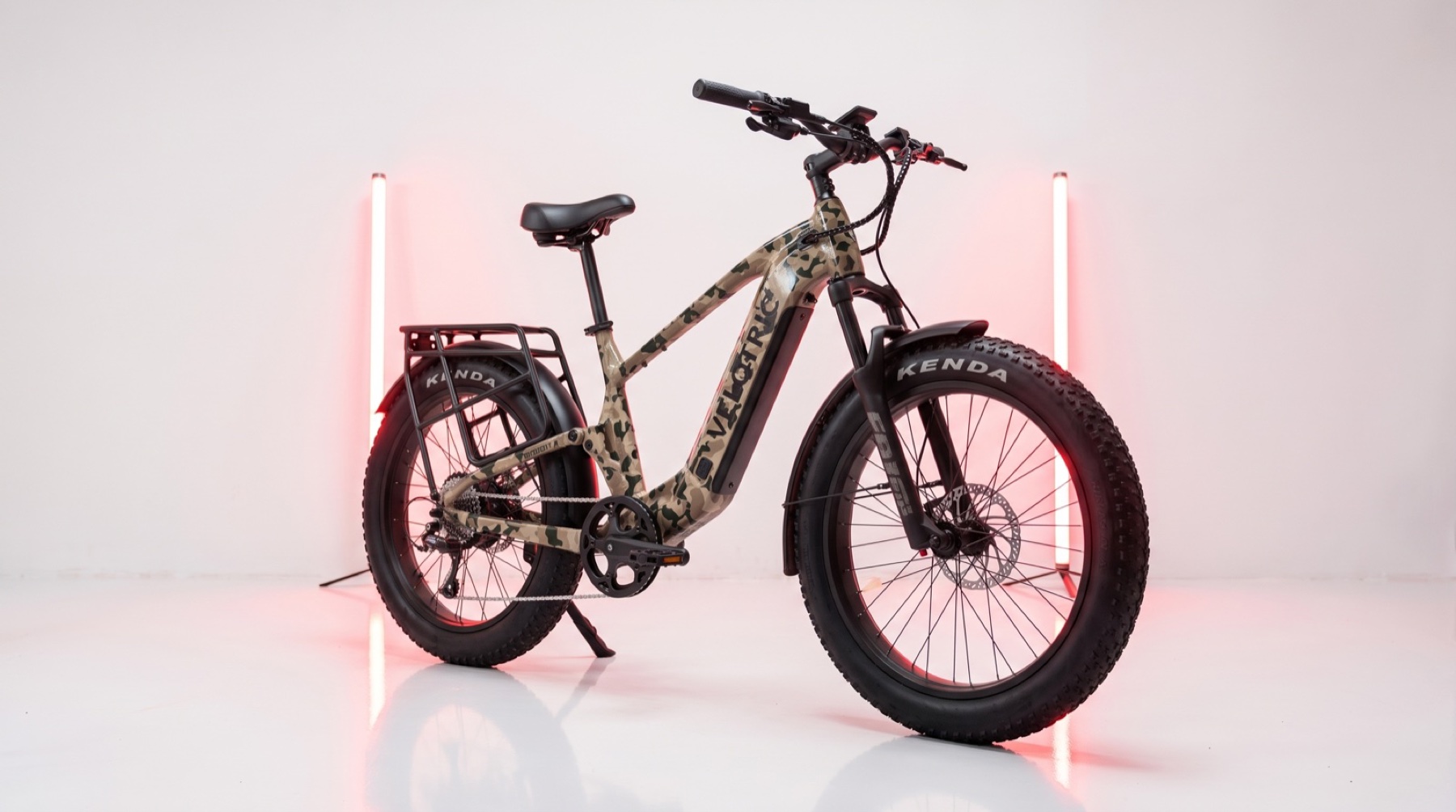
Nomad 2X
The full-air-suspension flagship — 105 Nm (Velotric's most), 1,000 lb towing and a tunable rear shock under 26×4.0 rubber.
Eahora
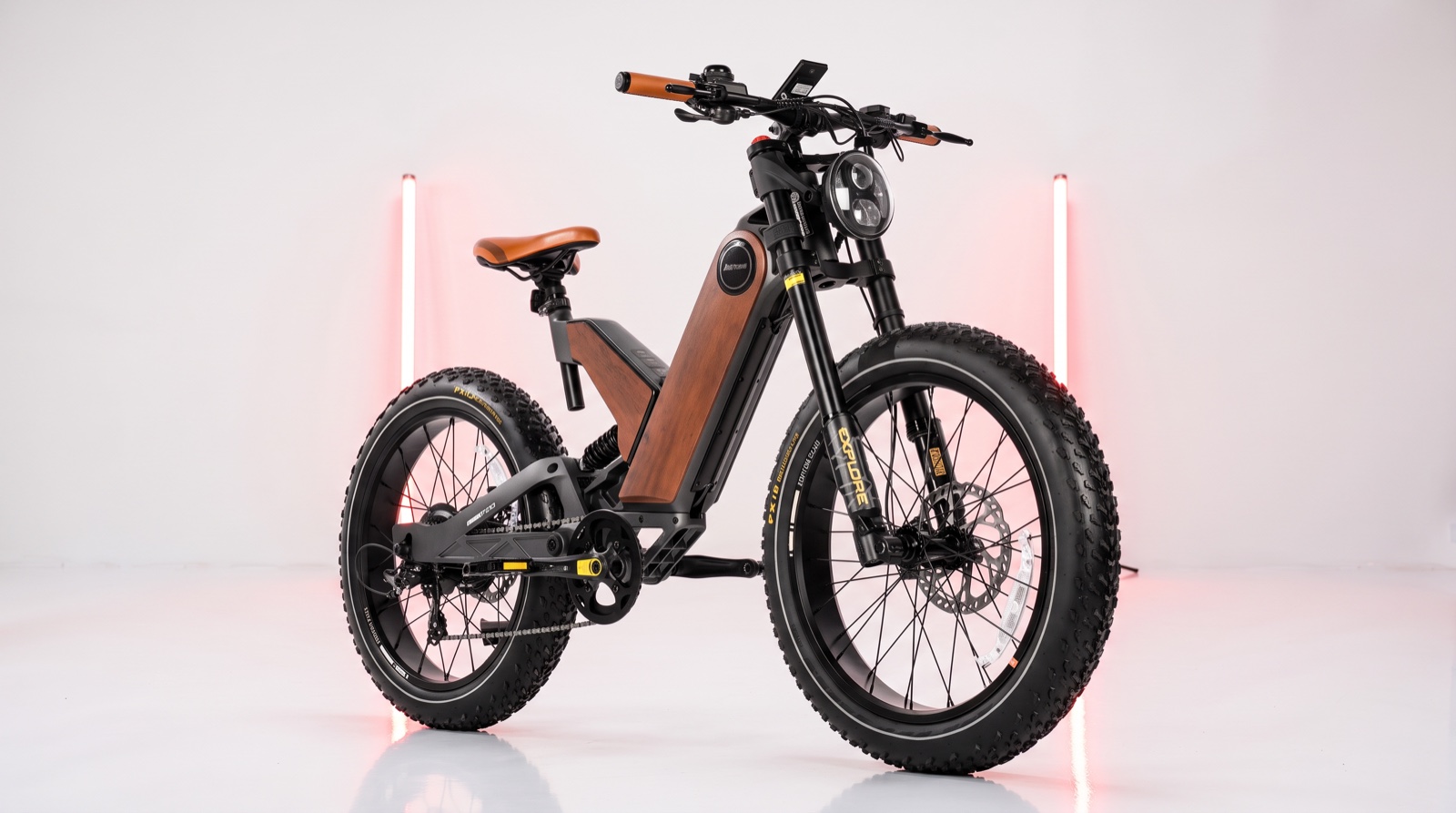
Full-suspension fat-tire builds on lightweight die-cast magnesium frames.
Reviews In Progress
We’re testing the best adventure e-bikes
Our team is out riding and filming honest, hands-on reviews for this category. Once they land, every bike will be organized by brand right here. Check back soon — or subscribe on YouTube to catch them first.
Frequently asked questions
What makes an e-bike an adventure bike?
Tires and range, mostly. Fat tires — usually 4 inches wide — float over sand, snow and loose gravel instead of digging in, and a big battery means you can go somewhere remote and still get home. Add suspension, a rack, decent weather sealing and lights, and you've got a bike that works where the pavement stops.
Do fat tires really work on sand and snow?
They do, but only if you drop the pressure. A fat tire run at 20 psi behaves like a narrow tire; the same tire at 8 to 10 psi spreads the load and floats. Carry a gauge and a pump, air down for soft ground, and air back up for pavement — it's the single biggest difference between a fat bike that works and one that doesn't.
How much range do you lose off-road?
A lot. Soft surfaces, low tire pressure, climbing and constant throttle corrections all cost energy, and there's no coasting on sand. Assume a real off-road day gets you well under the claimed number, and plan your route so the last third is the easy part rather than the climb home.
Can you ride these in rain, mud and snow?
Yes, within reason. Look for an IP rating on the spec sheet — IP65 or better means the electronics are sealed against dust and water spray. That covers rain, puddles and a hose-down, but no e-bike is rated for submersion, so don't ride through water deep enough to reach the motor hub or the battery contacts.
Do you need full suspension?
Not necessarily. Fat tires at low pressure are already a suspension system, and a lot of great adventure bikes run a front fork only. Full suspension earns its money if you ride rough, rocky ground at speed or you're out for hours at a time and want your back to survive it. Everywhere else, a good fork and the right tire pressure is enough.
Can you tour or bikepack on one?
Charging is the whole problem. Plan the route around outlets — campgrounds, cafes, visitor centres — and know that a big pack can take four to eight hours to fill from a standard charger. Two smaller batteries you can swap often beats one huge one, and a bike you can still pedal unpowered is worth a lot on day three.